Essential Infrastructure
by Maestro Robert Nance
“Art Isn’t Easy“ comes from the Stephen Sondheim musical, “Sunday in the Park with George” and his words resonate with me now more than ever.
But I don’t think you have to know the musical to understand the reality to which these words speak. Perhaps you have friends who are artists and therefore empathetically understand what these words mean; or maybe you’ve embarked on an artistic endeavor or help to support a local arts institution and realize first hand what “...art isn’t easy...” actually means.
Art is not designed to be easy. The arts are humanity’s creative outlet, providing a way to reflect upon life and, frankly, that’s not easy at times. But that’s the good part. We need the arts to understand ourselves, each other and ultimately to co-exist peacefully.
Now for the bad part: In my experience, it’s far too hard to make art possible because we surround the arts with restrictive and often convoluted funding processes that forever fail to fund the arts adequately and thus make it difficult to realize the profound cultural benefits they provide. Art isn’t easy when artists must constantly defend the value and benefits of the arts. Art isn’t easy when artists can’t earn a living as an artist but must chase after donations to make their art possible. Art isn’t easy because we are simply not willing to pay for it, despite it’s clear value to our civil society.
One does not have to search hard to find a wealth of data that proves that the arts have tremendous value. I particularly appreciate Richard Florida’s (Florida, Richard. The Rise of the Creative Class. New York, Basic Books, 2002, rev. ed. 1 2011-12) research on how creatives make communities thrive and create the impetus for serious economic development; and more recently, I’ve found even more profound the research on the health benefits of the arts by famed singer Renée Fleming (Fleming, Renée. Music and Mind. New York. Viking. 2024) and National Institute for Health.
With so many societal ills exploding today, it is painfully apparent to me that we have all but missed the boat by not prioritizing the arts. The arts are humanity’s tools for mitigating life’s challenges. We should prioritize the arts in much the same way we prioritize roads, water and sewer infrastructure, waste and recycling services, and medical services. All these things make our lives better.
How might we prioritize the arts? I will give you an example of how it works from recent experience.
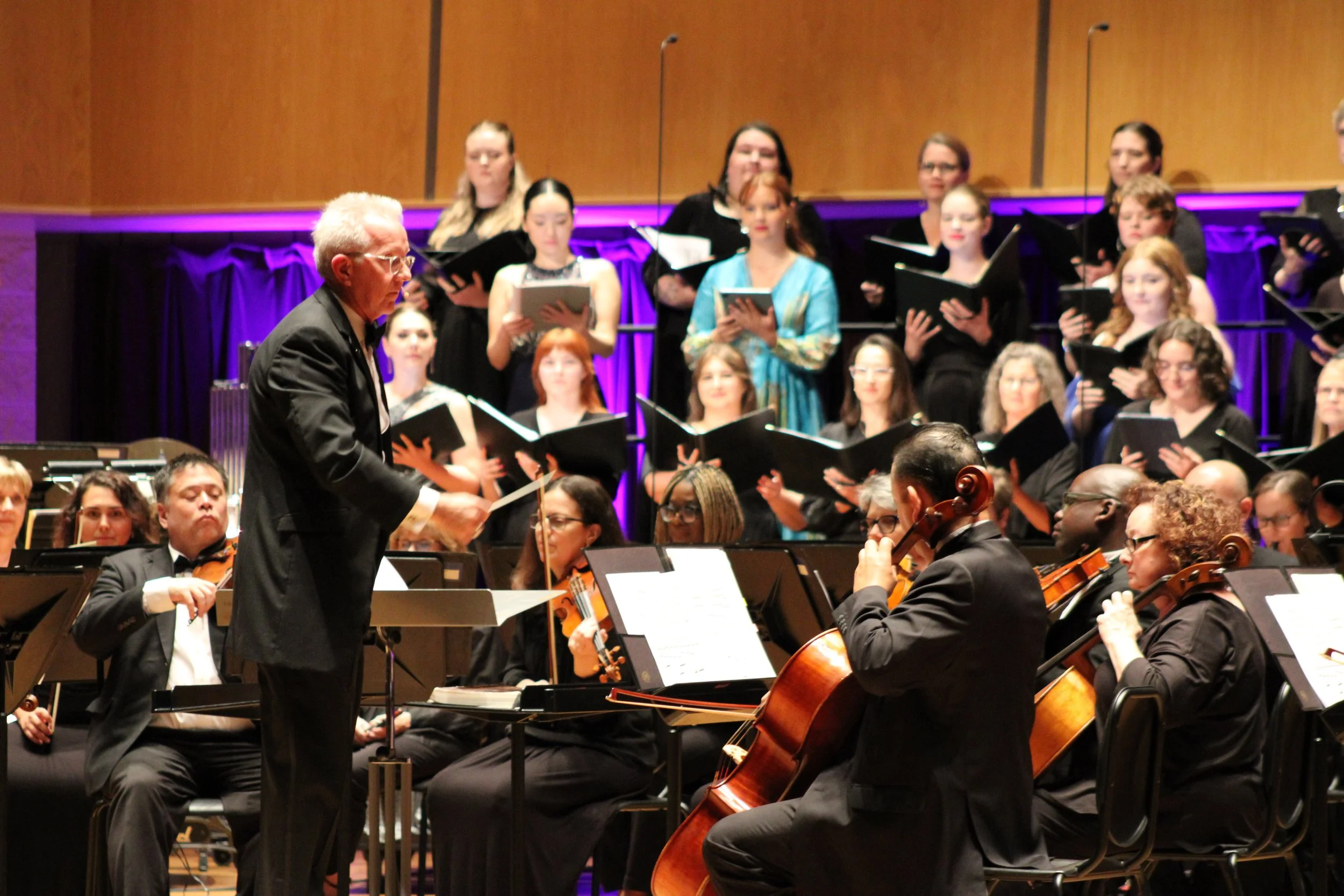
In May of 2024, Heartland Sings, a vocal arts company I founded in 1997, presented an array of operatic favorites in a show called “A Night at the Opera.” It featured Heartland Sings’ professional vocal artists along with 14 emerging vocal professionals from all over the world who came to Fort Wayne to participate in a vocal competition and this concert.
Perhaps you can to imagine the funding and logistics required to pull together a 90-minute grand opera concert that featured nearly 100 professional musicians in what turned out to be an amazing night of entertainment. Perhaps you are aware that each professional musician on that stage was paid for their service, and there were costs for the production that included administration, marketing, the hall, the lights, the sound, equipment, stage technicians, staffing for box office and ushers, and more. All in all, direct costs are usually pretty hefty.
But what fundamentally made this production possible was the long-term investment some of our local arts institutions are making to hire career musicians and provide them a living wage such that they choose to make Fort Wayne their home. Apart from our 14 international guest artists, the musicians on the stage that night live and work in our community, making Fort Wayne culturally rich and vibrant. Each of the resident artists on that stage make Fort Wayne an amazing place to be, and they share their talents with our students, in our houses of worship, in recitals, concerts and major productions like “A Night at the Opera.”
In my 36 year career here in Fort Wayne, I have passionately advocated for
providing a living wage for the artists who live amongst us. The creative class can do so much for a community’s health, providing residents with opportunities to enrich their mental, emotional and physical health in ways we cannot reach in any other way.
Several leaders in our community, who I admire greatly and hold in high esteem, have a vision for Fort Wayne as a regional center for music. I share that vision, and it’s one I have had since ramping up Heartland Sings into a full-time vocal arts institution many years ago. My goal is to make it possible to sustain the livelihoods of the artists that make Fort Wayne the vibrant city it has become. But it’s not easy. Long term support for creatives, like those whose talents employed to provide a grand opera concert, require that our community see the relationship between our overall health and wealth and the artists whose presence in our community create that culture of health and wealth.
We should all be grateful to those who are making significant investments in the arts, providing opportunities for our arts institutions to thrive by investing in buildings and infrastructure. To complete the picture, we need the general population to step up and support those institutions that are providing a sustainable living wage to our artists. The result will be a more vibrant, healthy Fort Wayne.